

Could sodium-ion batteries revolutionise energy storage?
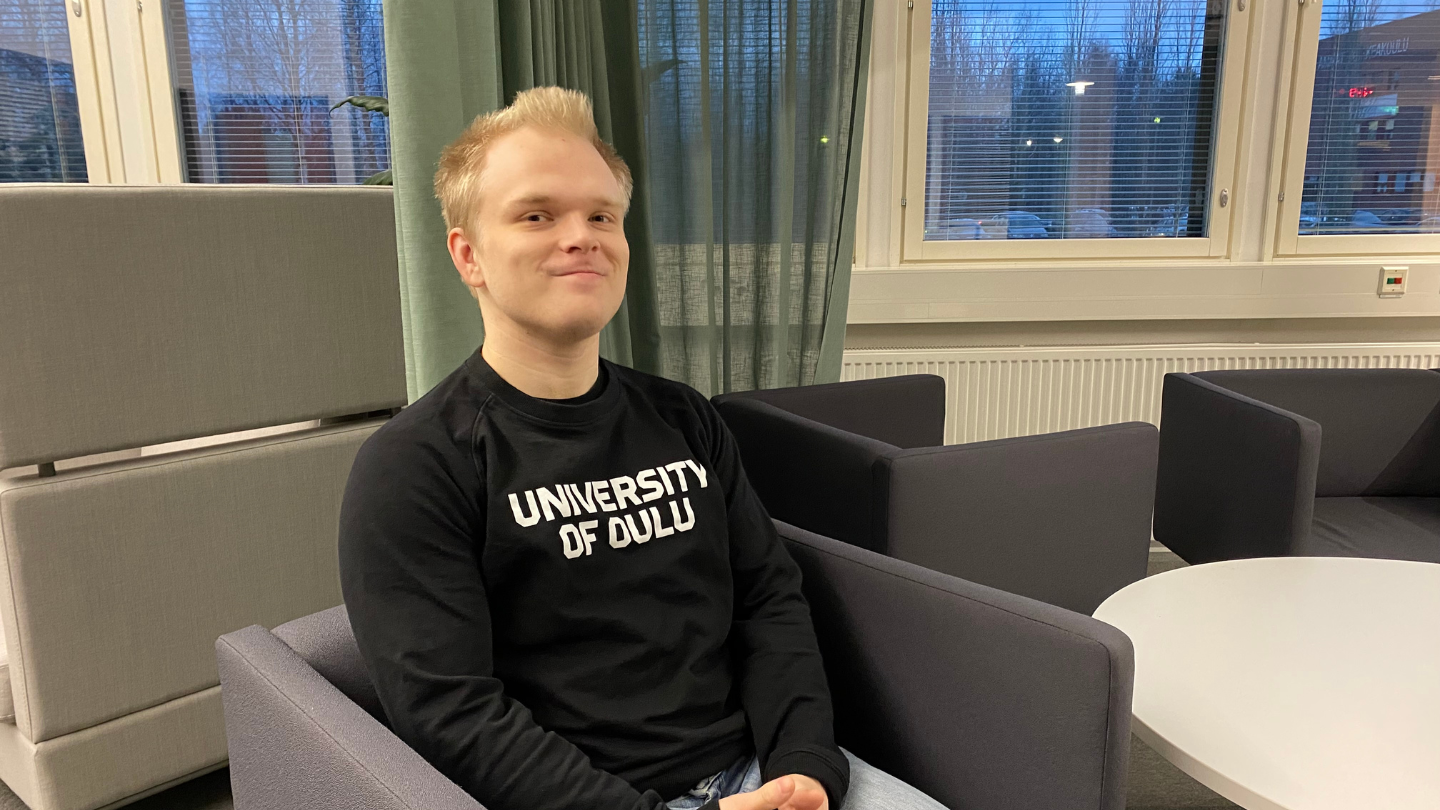
The series Research in the Spotlight allows researchers from Kokkola University Consortium Chydenius to discuss their current research activities.
Jere Leinonen works as a doctoral researcher in the Research Unit for Sustainable Chemistry at the Kokkola University Consortium Chydenius, University of Oulu.
Lithium-ion batteries—challenges and critical raw materials
Lithium-ion batteries are widely used in phones, household appliances and electric cars, for example. One of the biggest problems is that their manufacturing process relies on metals like lithium, nickel, cobalt and copper, whose supply is limited and geographically concentrated. In our research, we aim to replace materials composed of these metals with alternatives that are more environmentally friendly and readily available, offer higher performance, and are less expensive, thereby contributing to sustainable development.
The research has several focus areas: methods used in the synthesis of materials needed for sodium-ion batteries, development of new environmentally friendly materials, optimising the performance of materials, recycling, utilisation of side streams, and improving the performance of battery cells. Our research concentrates especially on materials in which valuable metals such as lithium and cobalt have been replaced with sodium, iron and manganese. We are engaged in international cooperation with several research teams on material development.
Sodium-ion batteries—a promising alternative
The commercial success of sodium-ion batteries (SIB) could lower the prices of batteries and battery-powered products, thanks to the use of less expensive raw materials. At the same time, it could decrease the need for mining cobalt, nickel and lithium, thereby conserving natural resources. Within the next decade, SIBs may replace lithium-ion batteries in certain applications, such as fixed energy storages and short-range electric vehicles.
Metals and energy are vital natural resources now and in the future, and securing their availability is an essential part of global geopolitics as well as Finland’s security of supply. Alternative technologies that use less critical raw materials reduce dependence on supplier countries, and valuable raw materials can be reserved for applications where they cannot be substituted. The development of battery technologies improves the storing of energy derived from intermittent renewable energy sources, such as solar and wind power, thereby contributing to sustainable development.
A day in the life of a chemist
My work as a chemist involves carrying out various laboratory tests, on the basis of which I then write research articles. My job description includes tasks such as precipitation tests, preparation of samples, heat treatments, assembling battery cells, taking measurements, and documenting all activities. For the writing side of my work, I read previous publications on the current topic, make tables and draw various graphs based on the measurements. My workdays also include meetings, cleaning workspaces and washing dishes, thinking, presentations, interpreting analysis results, discussions with other researchers, and email correspondence.


